Gavdos Island
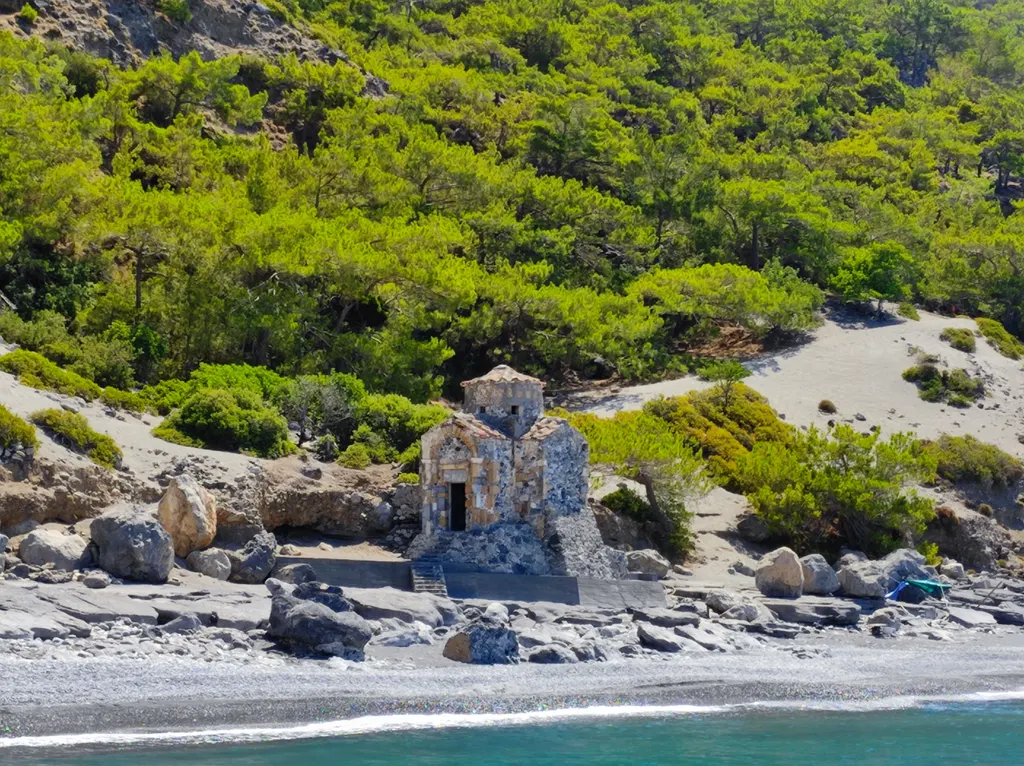
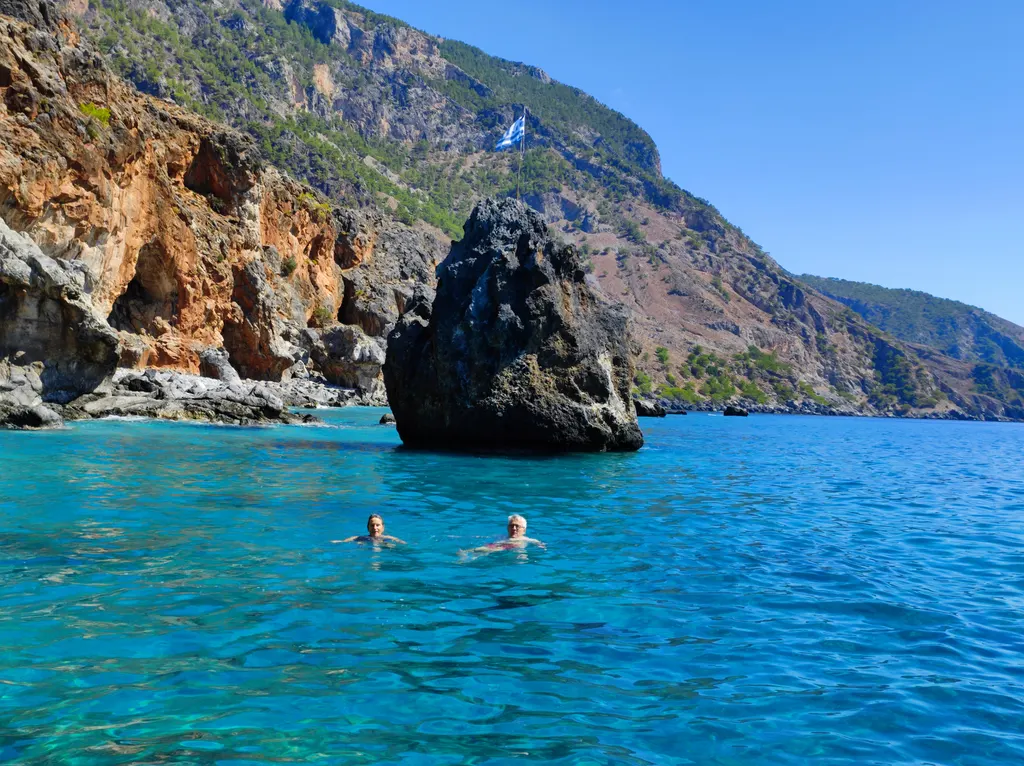
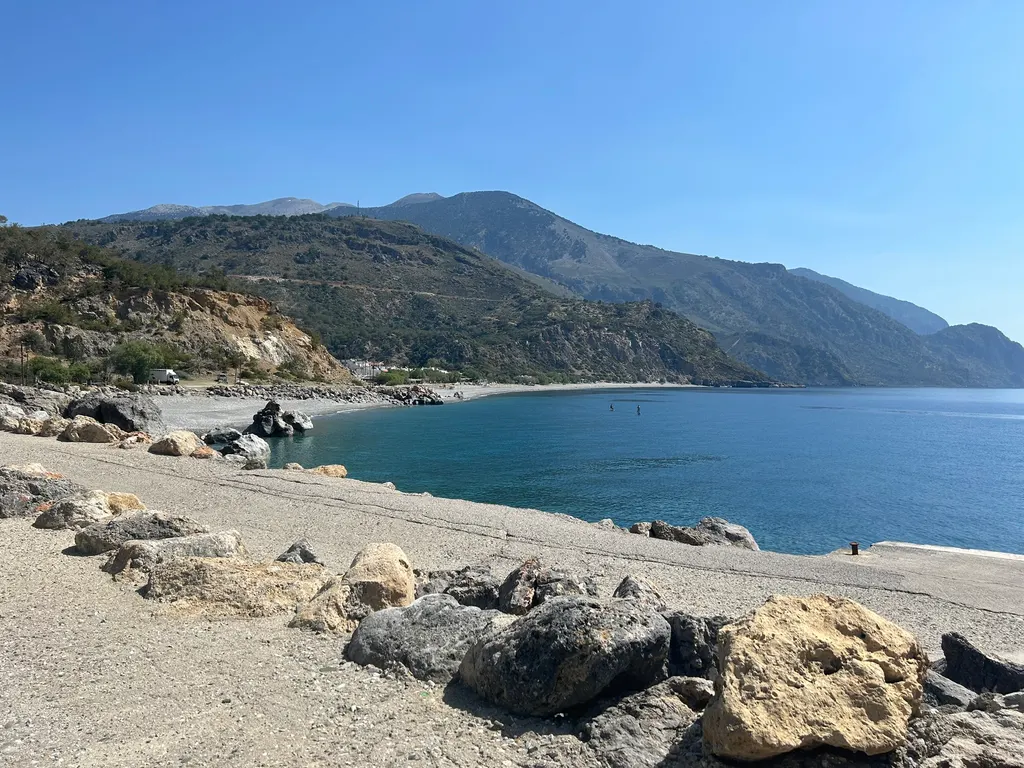
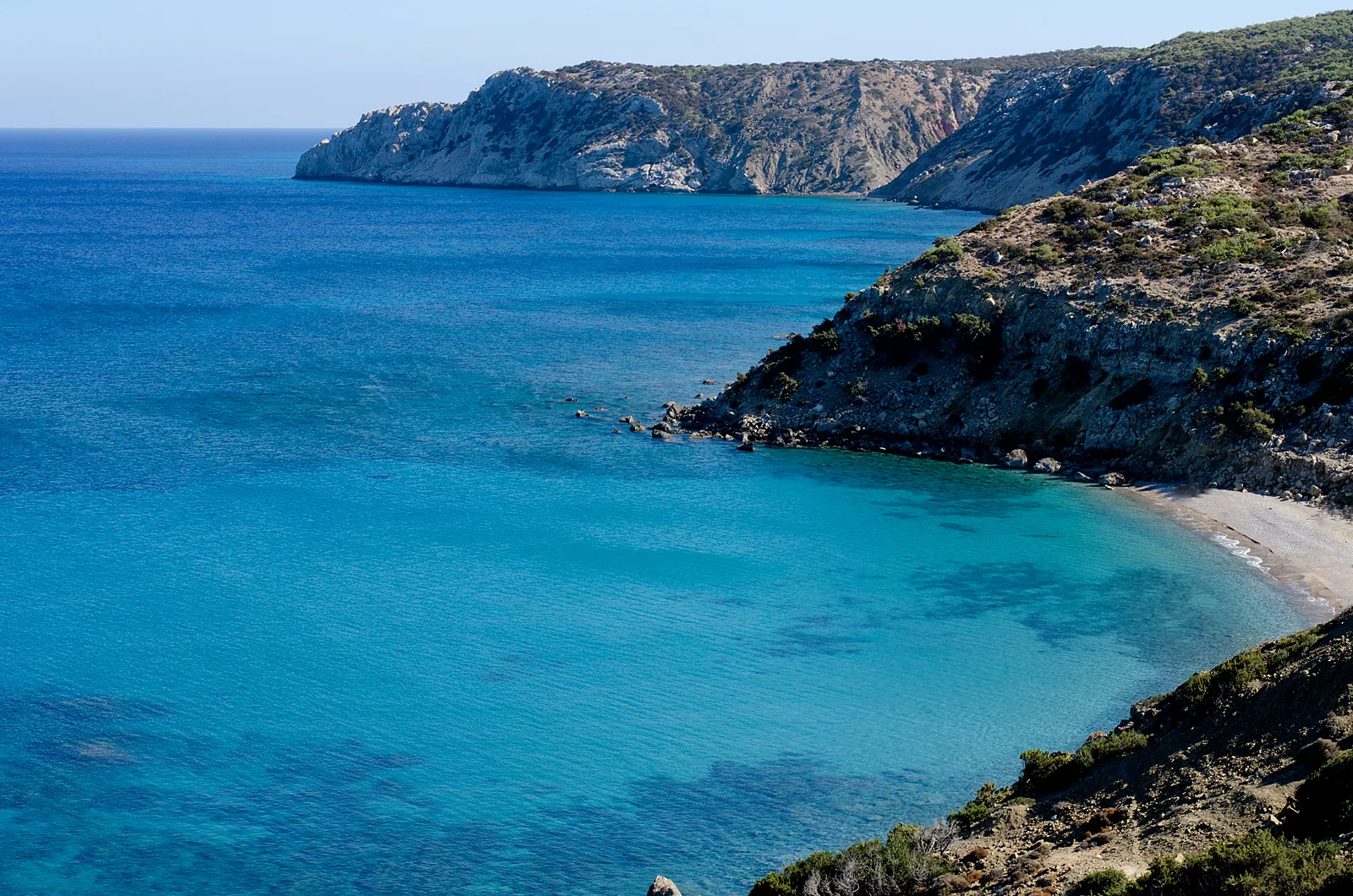
Gavdos, the southernmost island of Greece and of Europe, lies in the Libyan Sea just off the southern coast of Crete. Known for its pristine beaches, rugged landscapes, and mythological heritage as the legendary home of the nymph Calypso, Gavdos offers a truly remote escape far from the modern world. Its quaint villages, ancient history, and extraordinary natural beauty make it one of the Mediterranean's most unique and unspoiled destinations.
Gavdos Island — Europe's Southernmost Point in the Libyan Sea
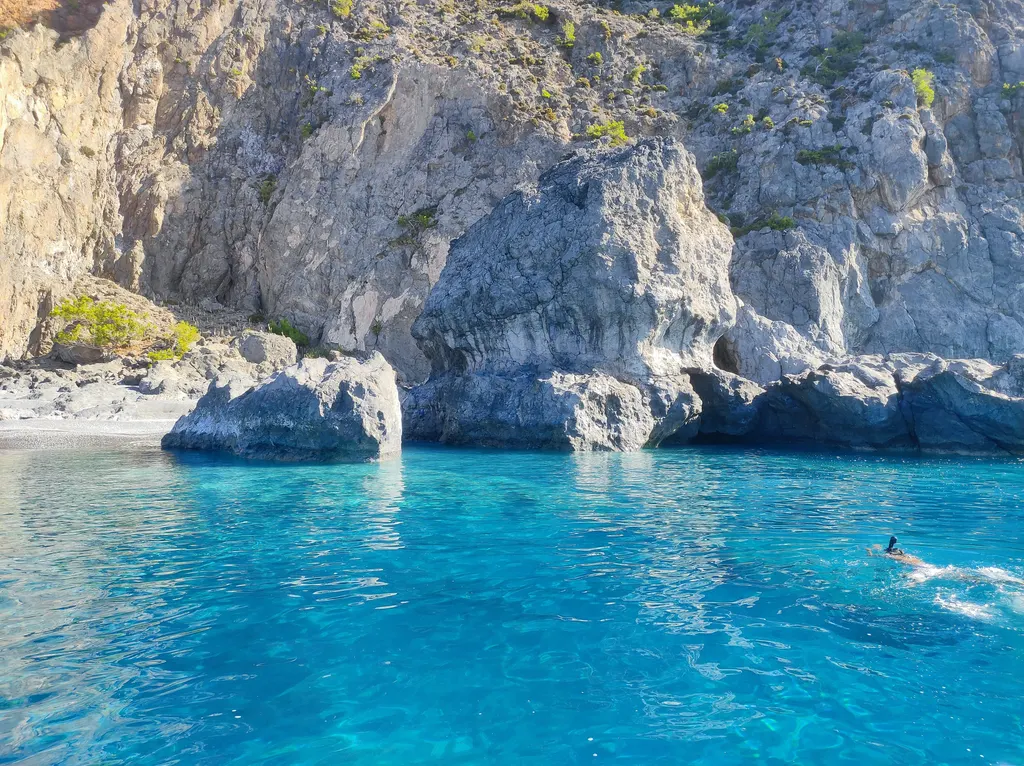
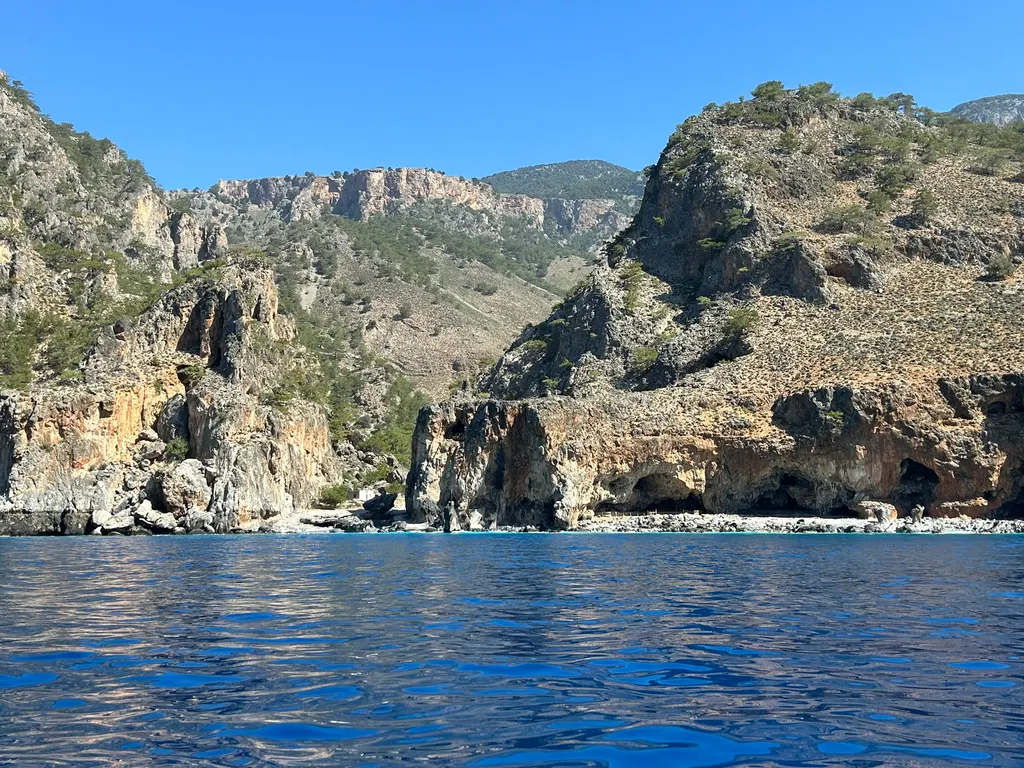
Rising from the Libyan Sea roughly 65 km south of Crete, Gavdos is the southernmost inhabited island in Europe. Its remoteness has preserved an extraordinary natural environment — pristine beaches, fragrant cedar forests, and rugged coastline stretching in every direction. Life here moves slowly and deliberately, shaped by the rhythms of the sea and the island's small, tight-knit year-round community.
What you'll find?
Europe's Southernmost Point
The cape at Tripiti marks the southernmost point of Europe — a dramatic and windswept headland where the island drops to the sea in a series of eroded rock formations. Reaching it involves a rewarding hike through the island's interior, and the sense of standing at the edge of the continent with nothing but open sea stretching south towards Africa is genuinely powerful. A modest landmark marks the spot, quietly celebrated by all who make it here.
The Legend of Calypso
According to Homer's Odyssey, Gavdos — known in antiquity as Ogygia — was the island where the nymph Calypso held Odysseus captive for seven years, enchanted by his presence. Whether or not the myth maps precisely onto this island, the legend has been associated with Gavdos for centuries, adding a layer of mythological intrigue to an already atmospheric destination. The isolation that makes Gavdos so compelling today is easy to imagine as the setting for such a story.
Sarakiniko Beach
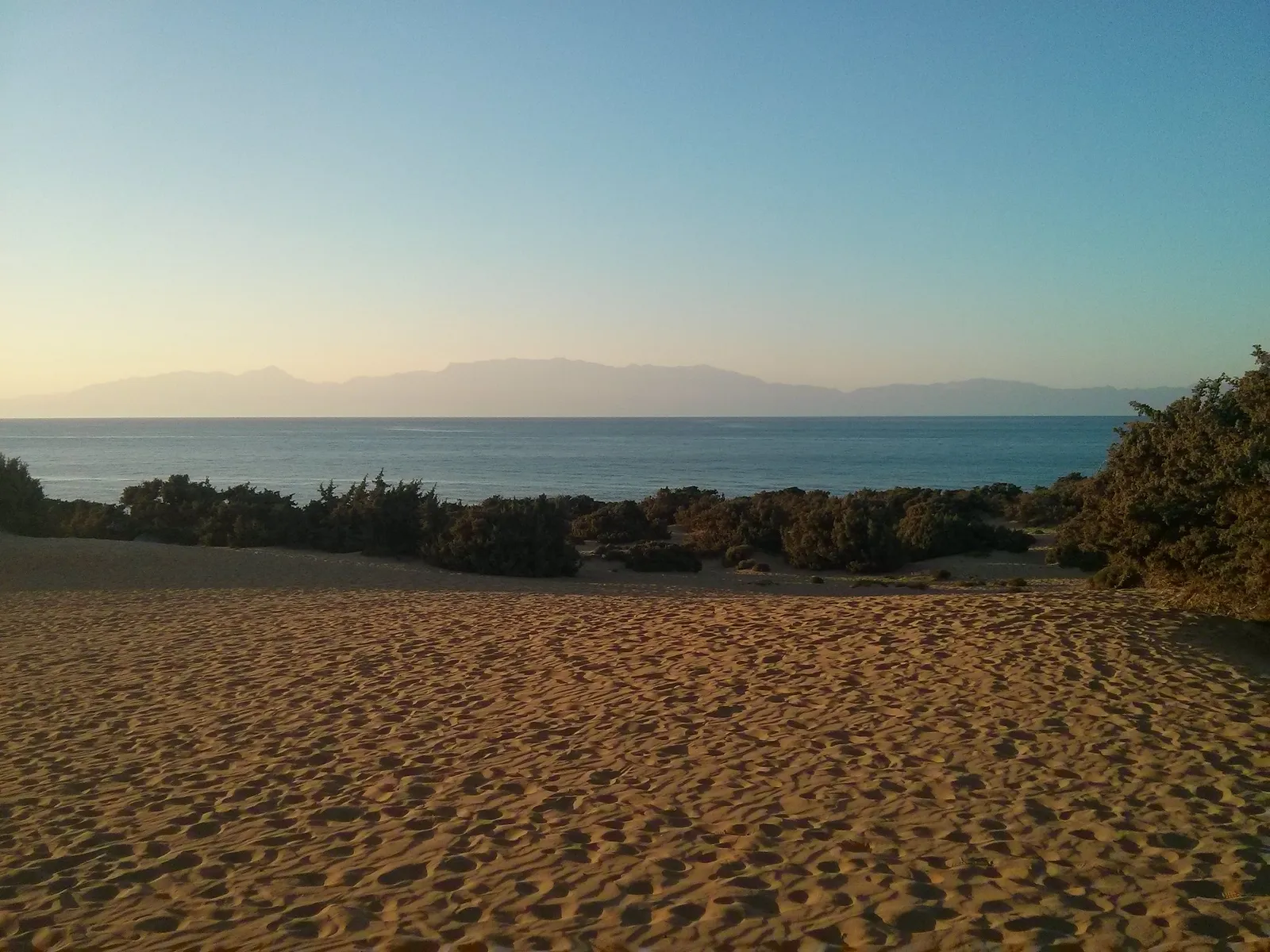
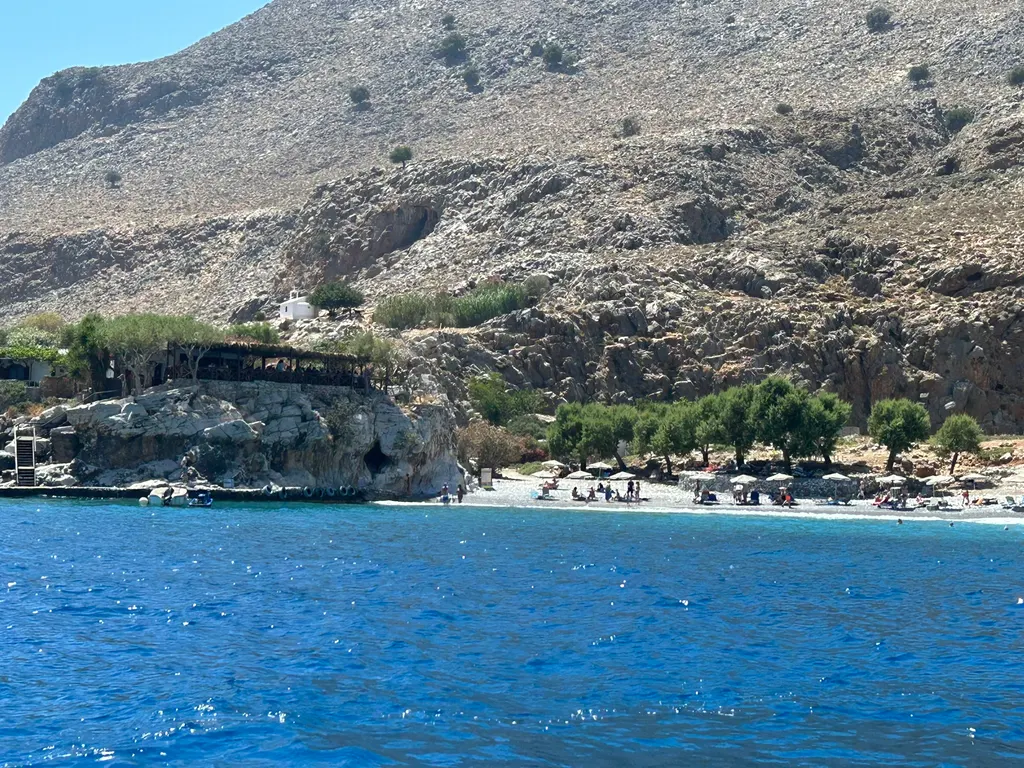
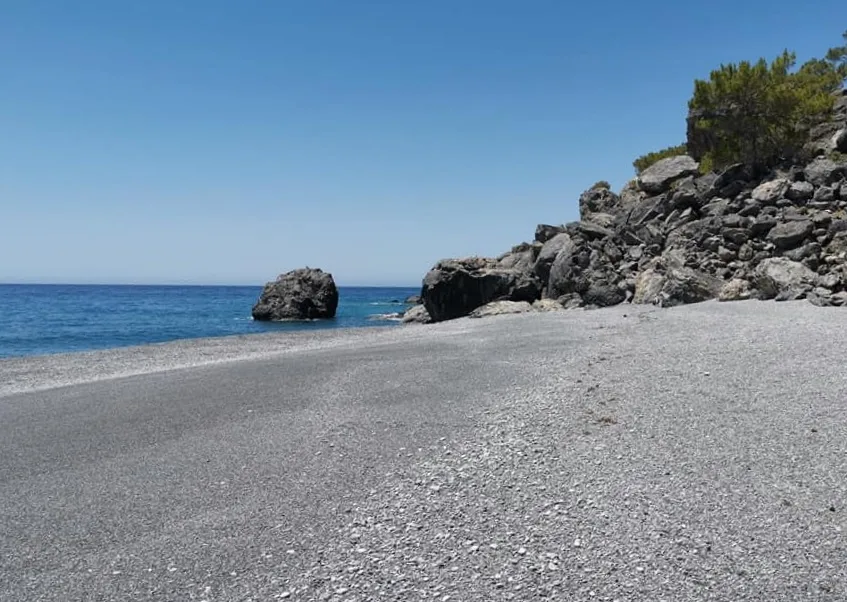
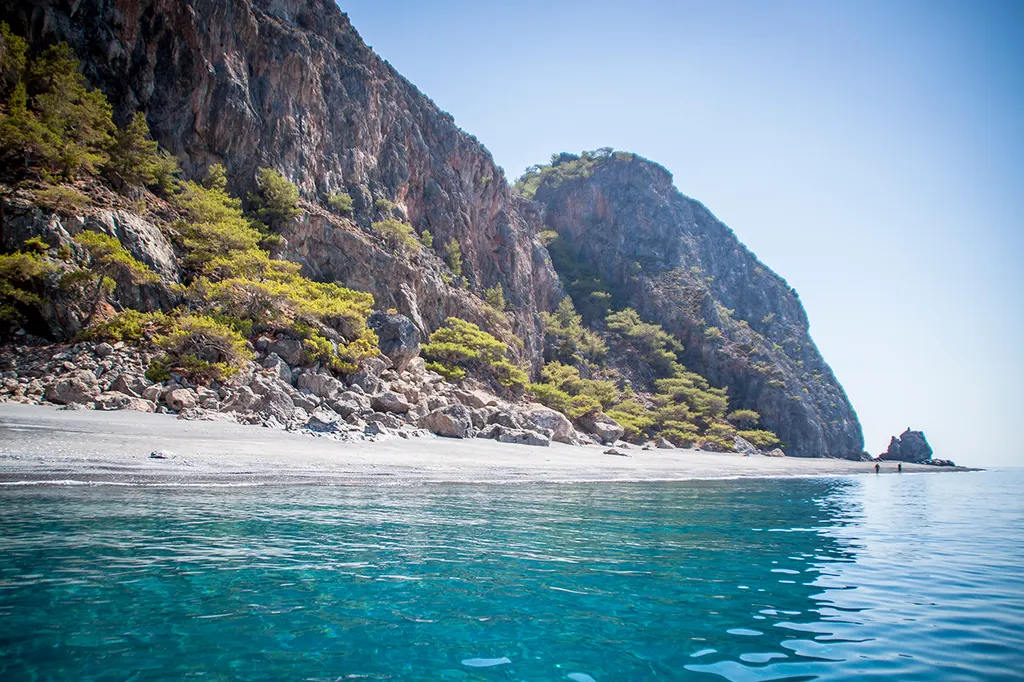
Sarakiniko is arguably Gavdos's finest beach — a long sweeping arc of pale golden sand backed by cedar trees and lapped by the warm, clear waters of the Libyan Sea. The beach has a handful of basic facilities and a small community of loyal visitors who return season after season. Its beauty lies in its simplicity: wide sand, clean water, a warm breeze, and very little else.
Cape Tripiti Lighthouse
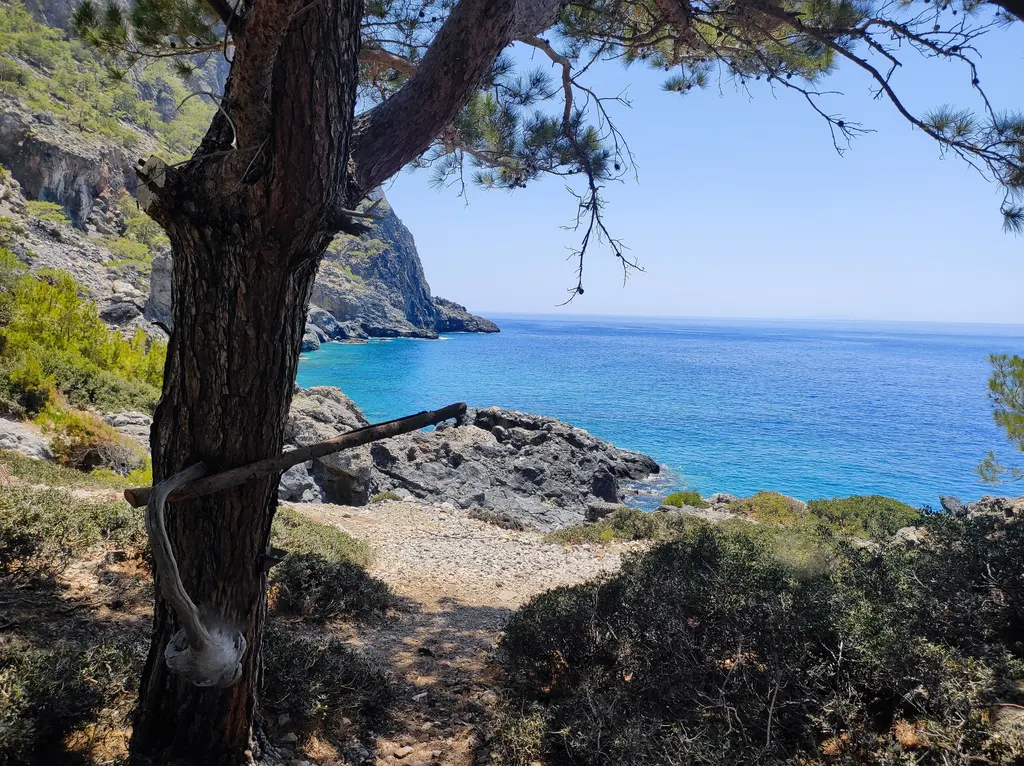
The lighthouse at Cape Tripiti stands at the island's southern tip, a solitary white tower against a vast blue sky that has guided ships through the Libyan Sea for generations. The walk to the lighthouse takes you through some of the most elemental landscape on the island — gnarled cedar trees, pale rock, and the constant sound of wind and sea. From the lighthouse on a clear day, you can make out the distant outline of the North African coast.
Traditional Village Life
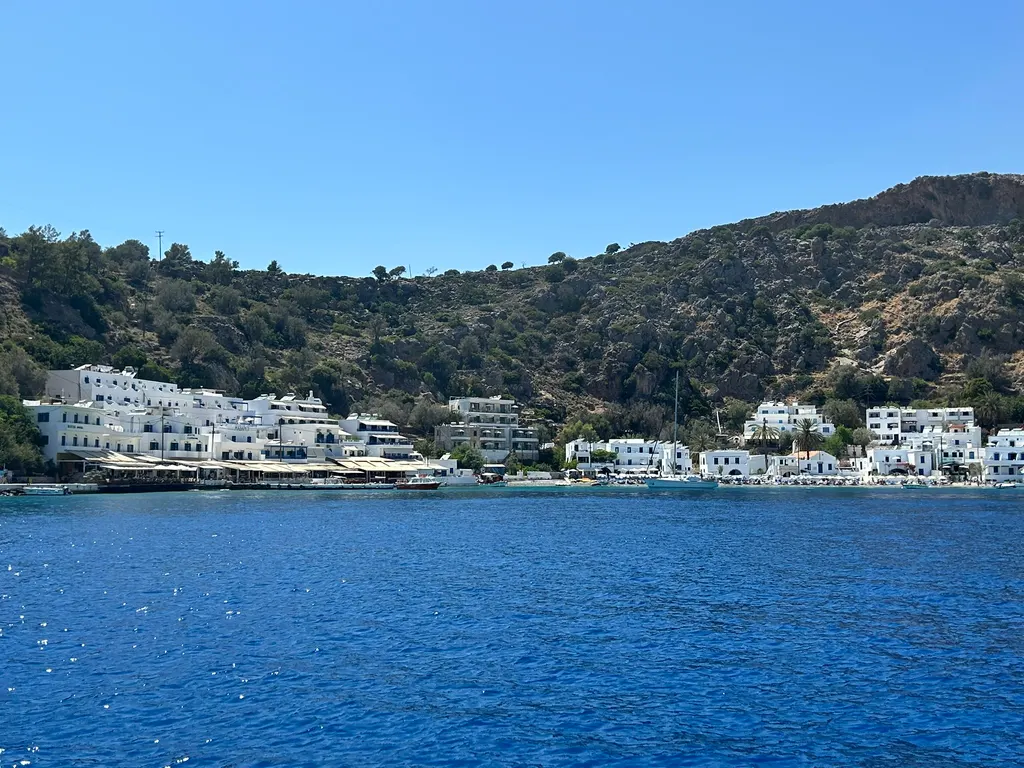
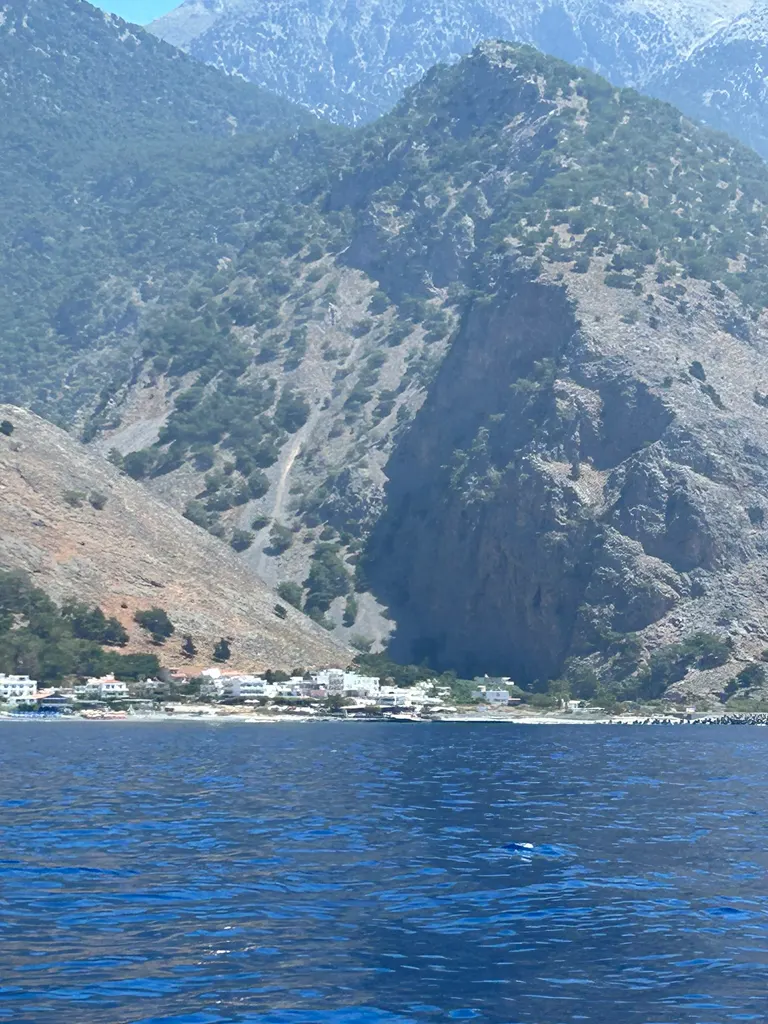
Gavdos has a handful of small villages — Kastri, Vatsiana, and Agios Ioannis among them — where a small permanent population maintains a way of life largely unchanged by the outside world. The pace is unhurried, the tavernas serve whatever was caught or grown that day, and the evenings are very quiet. Spending time here offers a rare glimpse of island life stripped back to its essentials.
Whether you come for the myth, the beach, or simply the silence, Gavdos rewards the effort of getting here in ways that few other places in Europe can match.