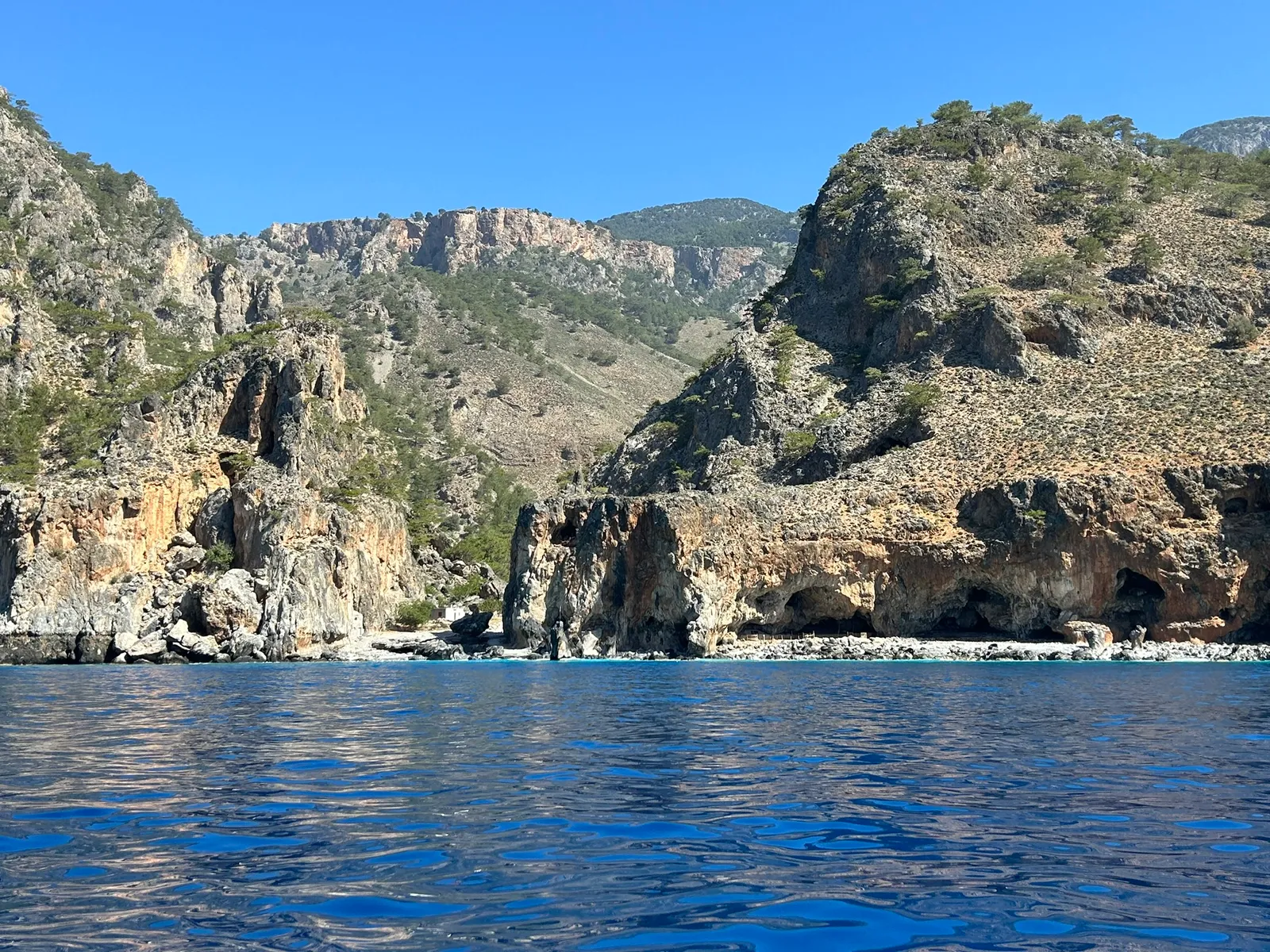
Tripiti Beach
A striking pebble beach at Crete's southernmost tip, named for the sea-carved rock holes — 'tripes' — in the cliffs, reachable only by boat or a rugged coastal hike.
Tripiti Beach — Crete's Southernmost Shore of Pebbles and Rock Holes
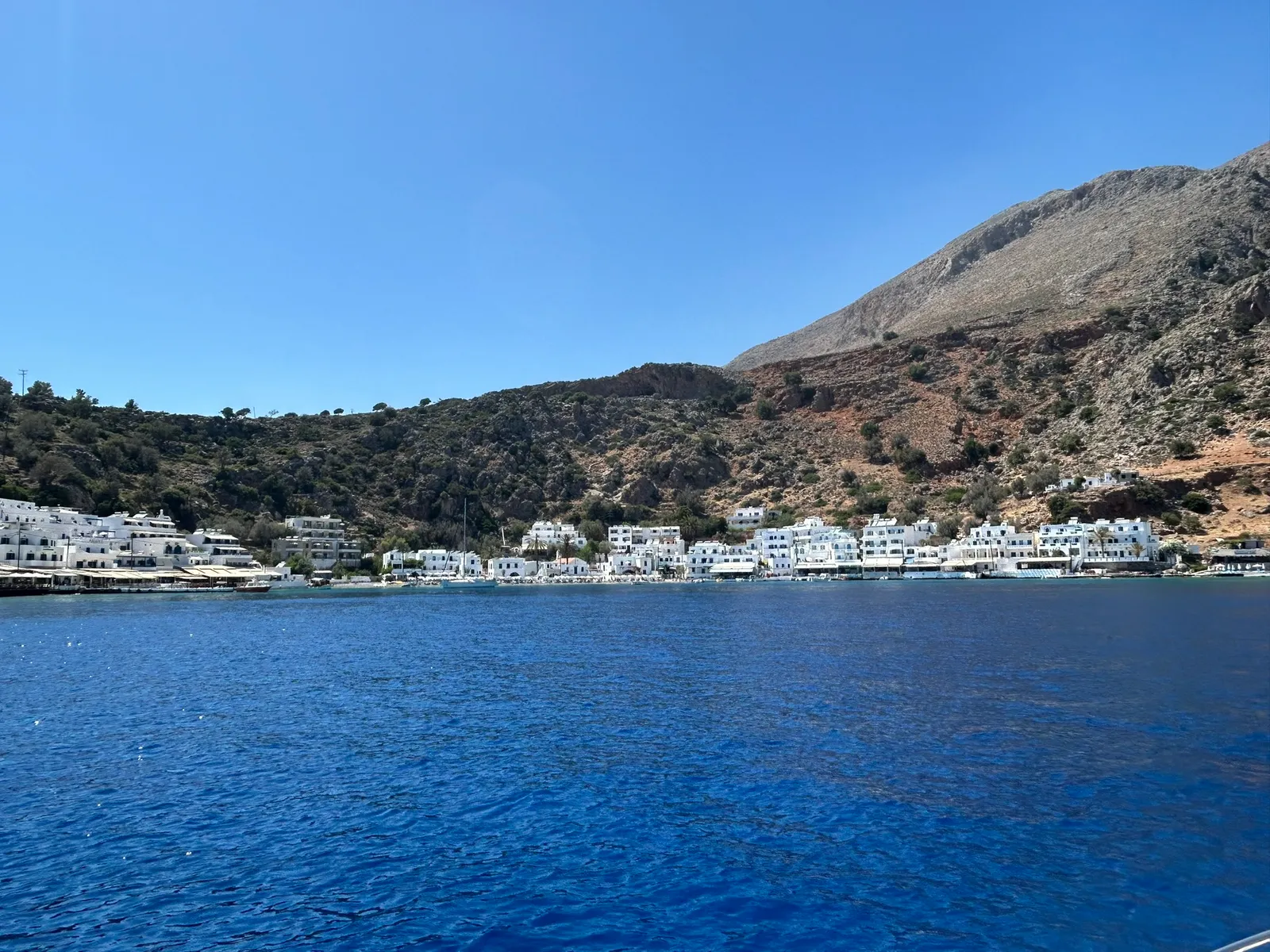
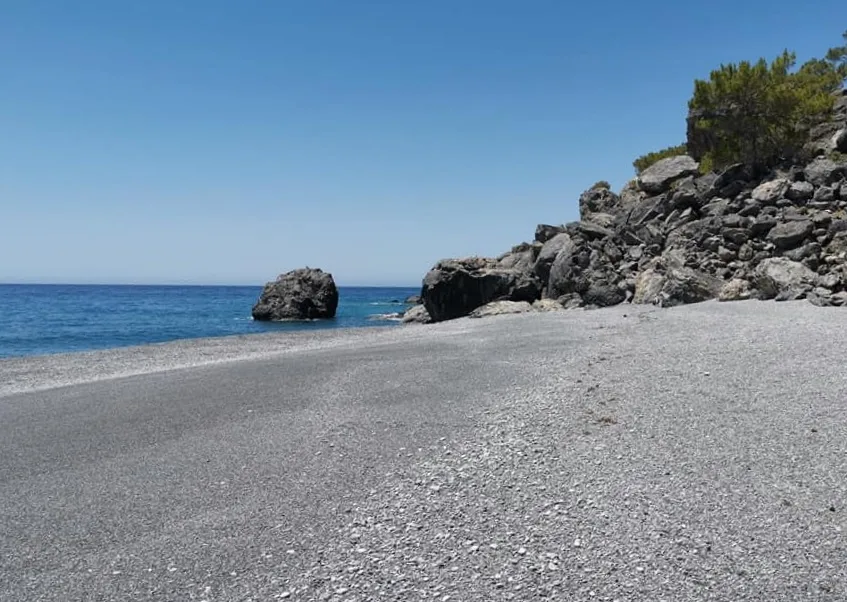
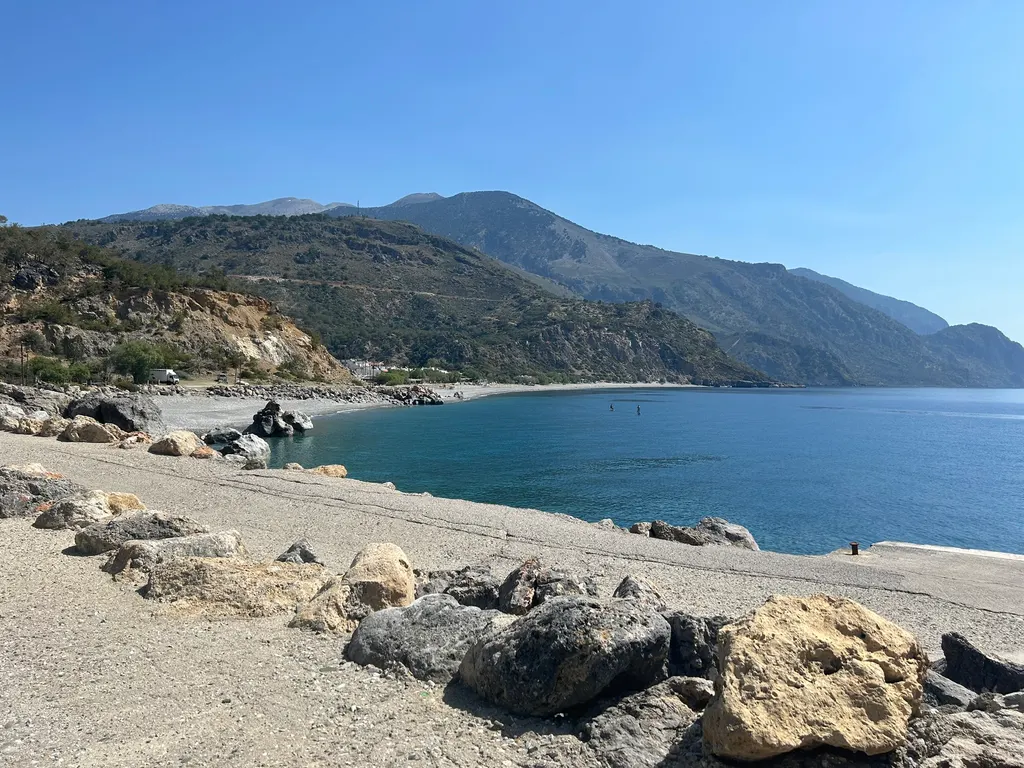
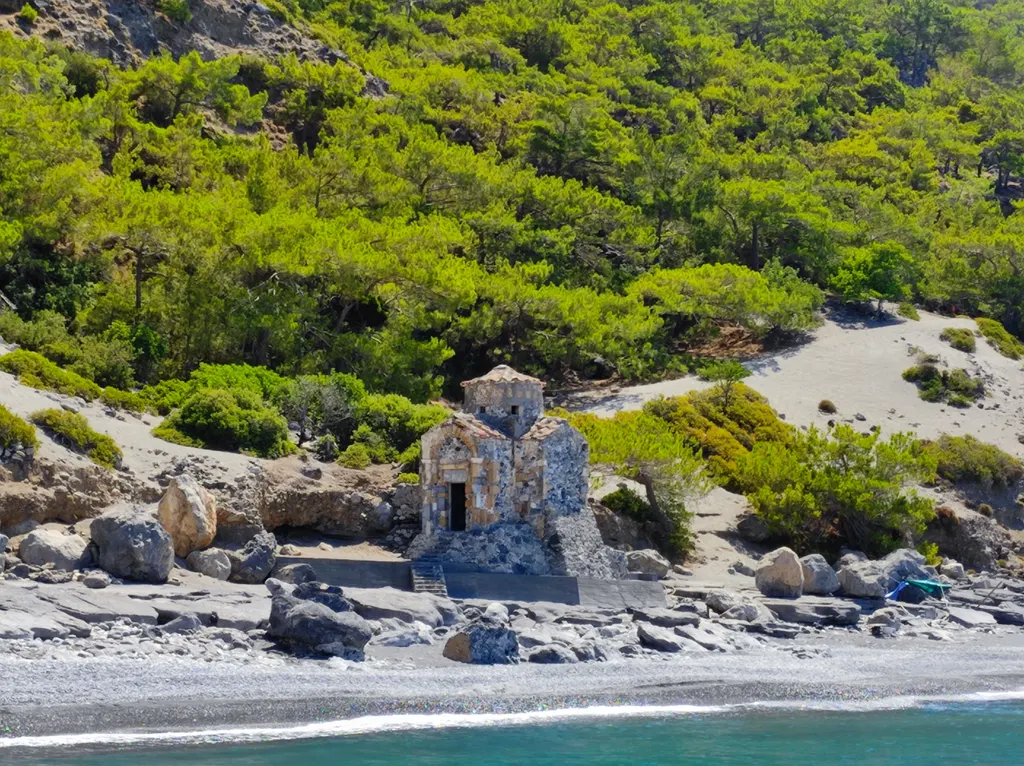
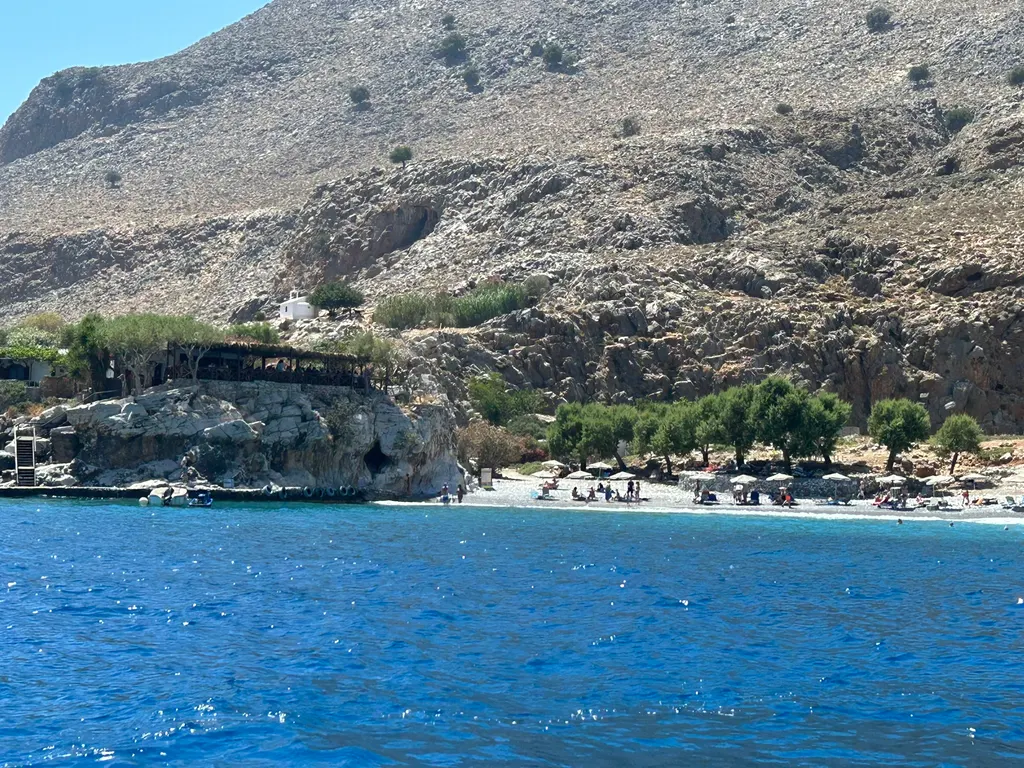
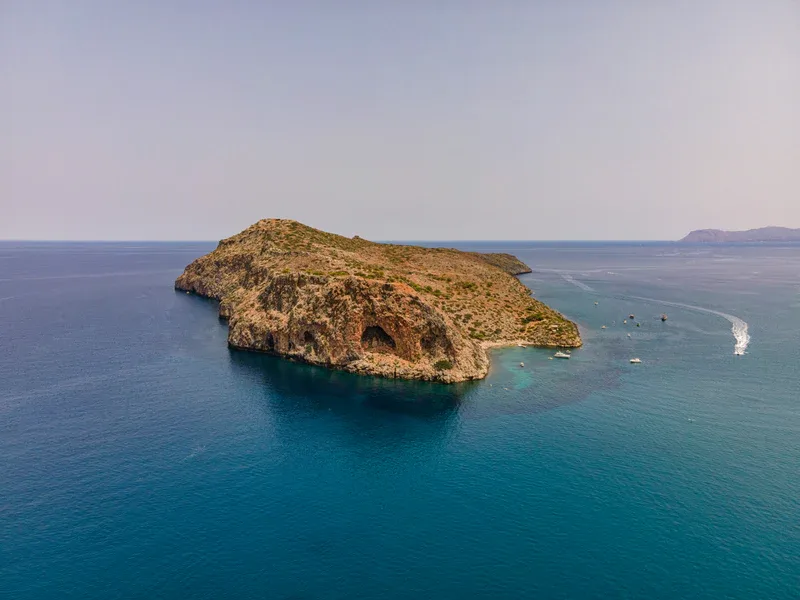
Tripiti beach sits at the very southern tip of Crete, as far south as the island goes before the open Libyan Sea takes over. Named after the Greek word for 'holes' — a reference to the distinctive perforated rock formations carved by the sea into the cliffs — it is one of the most dramatic and geologically fascinating beaches on the entire island.
What you'll find?
The Rock Holes (Tripes)
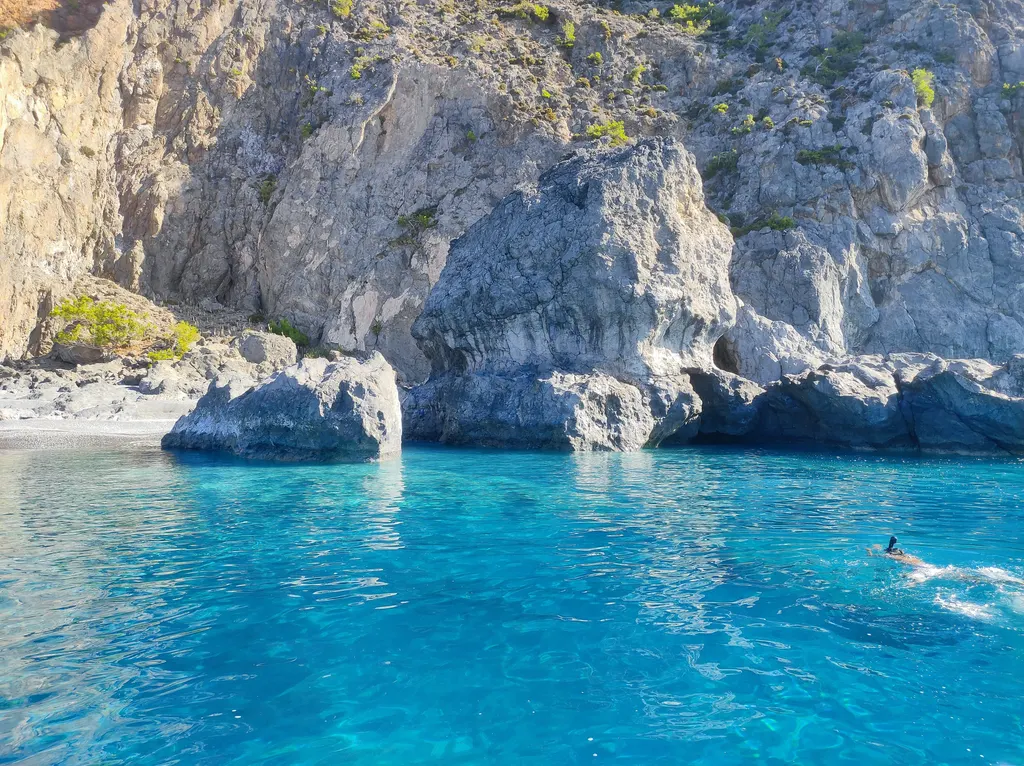
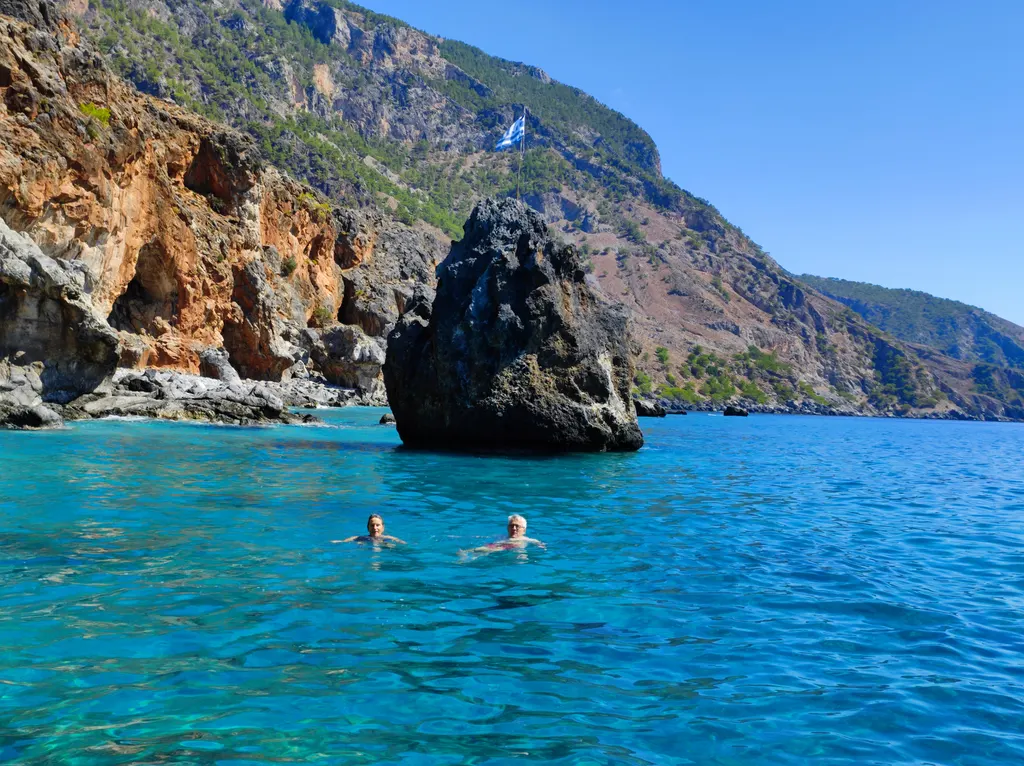
The beach's defining feature is the extraordinary rock formations at the base of the cliffs — smooth, rounded holes and tunnels worn into the limestone by the action of the sea over thousands of years. These natural sculptures give the beach its name and create an endlessly photogenic shoreline unlike anything else in Crete.
Boat or Hike Access
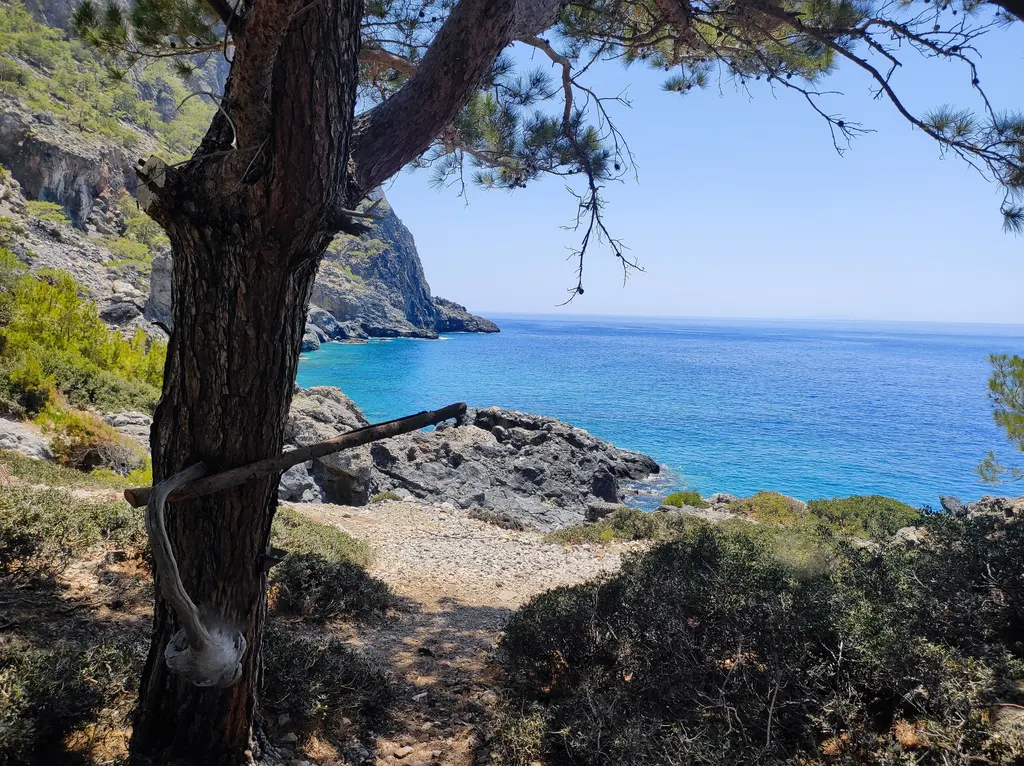
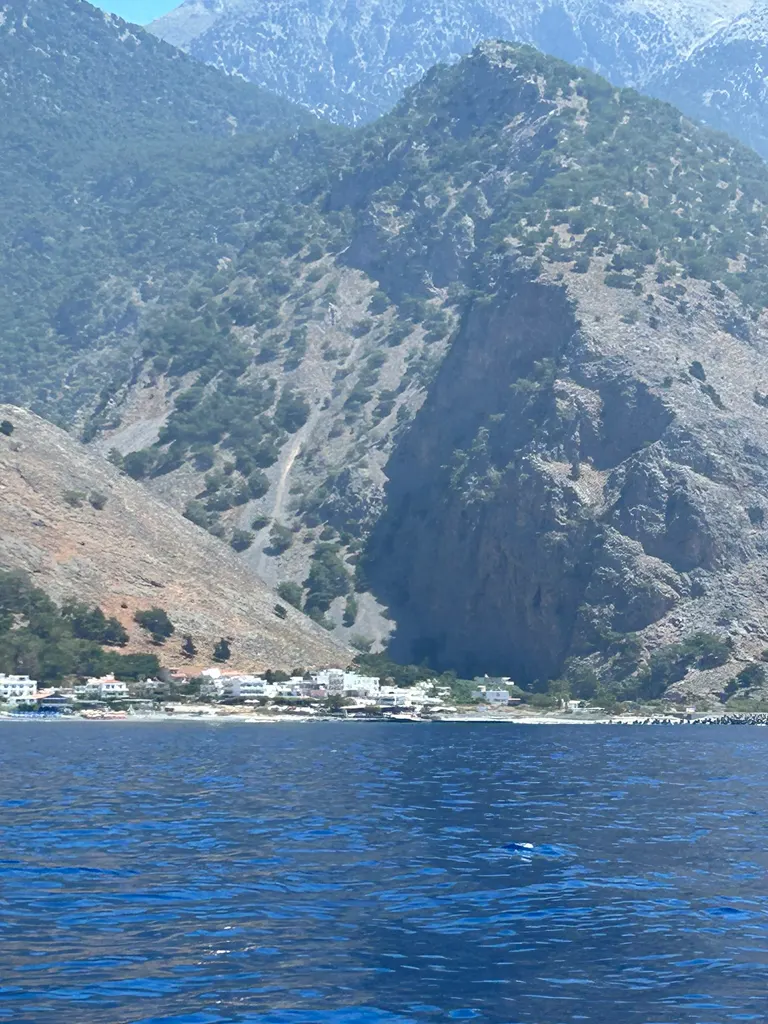
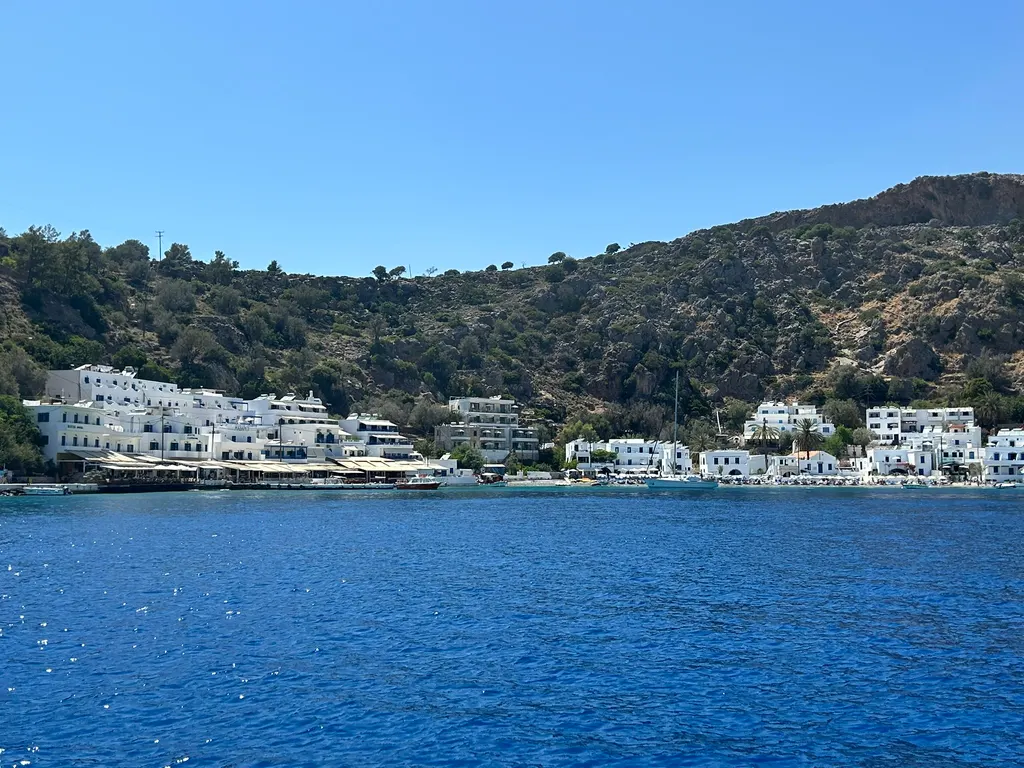
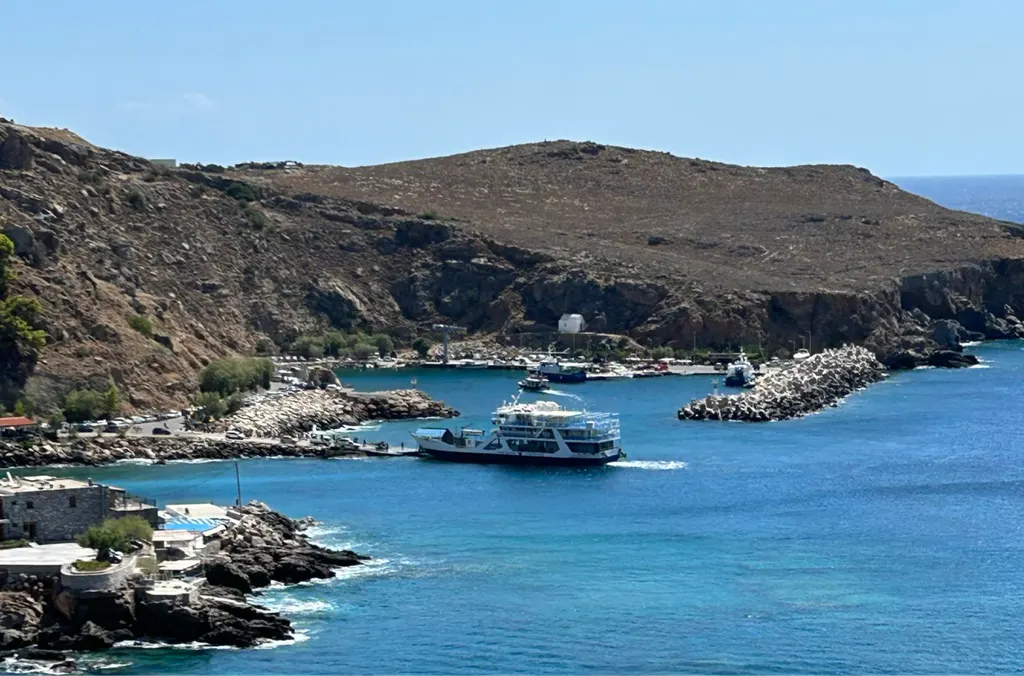
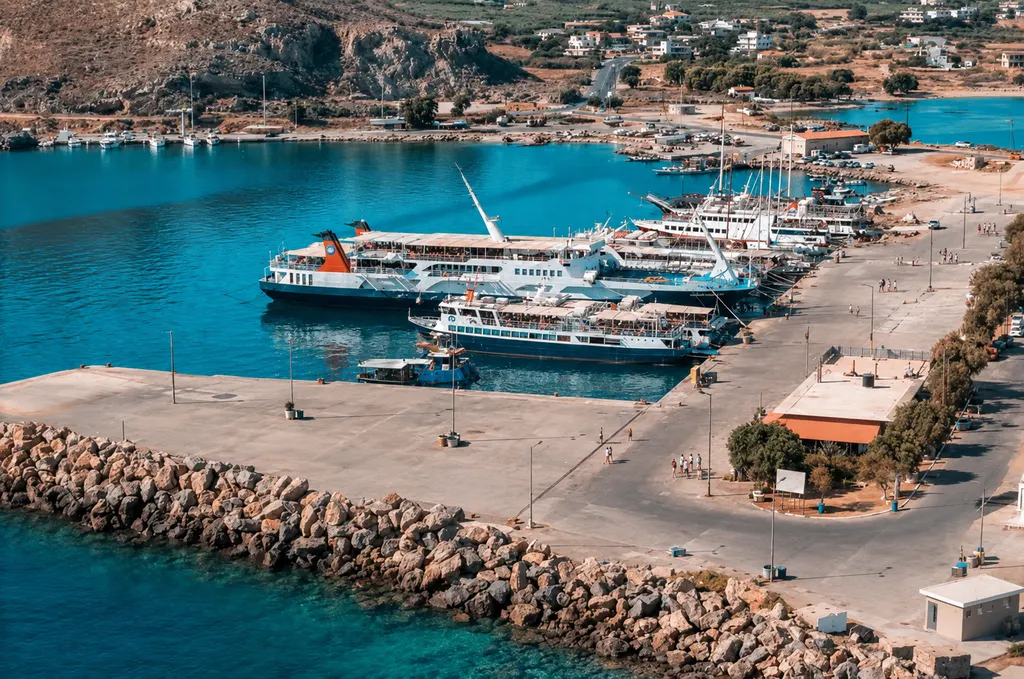
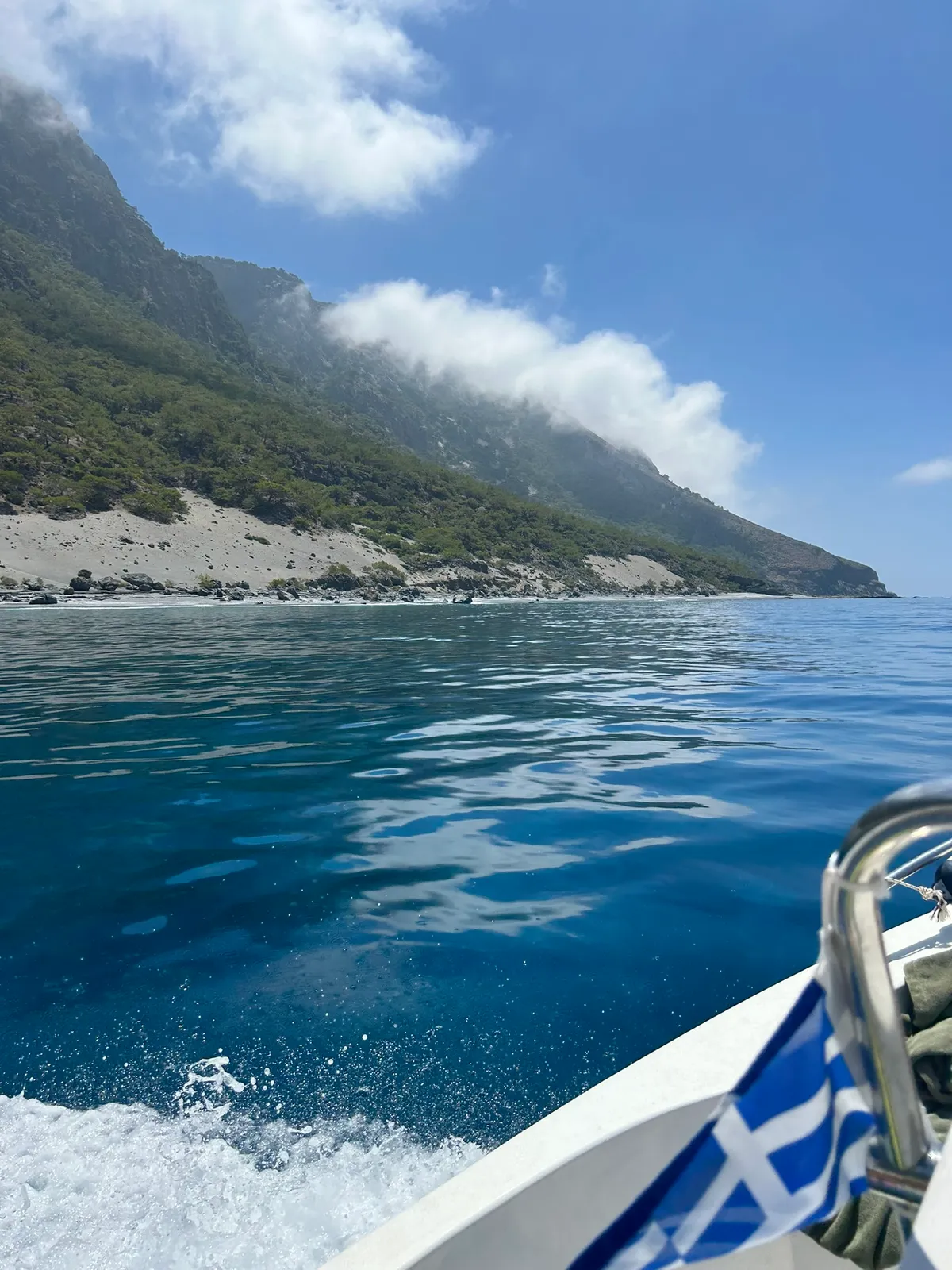
Tripiti is accessible by boat from Paleochora or Sougia, or by a tough coastal hiking trail that traverses the rocky southern headland. The hike takes several hours but offers extraordinary views; arriving by boat is quicker and equally dramatic, with the perforated cliffs visible from the water before you land.
Pebble Shore & Clear Water
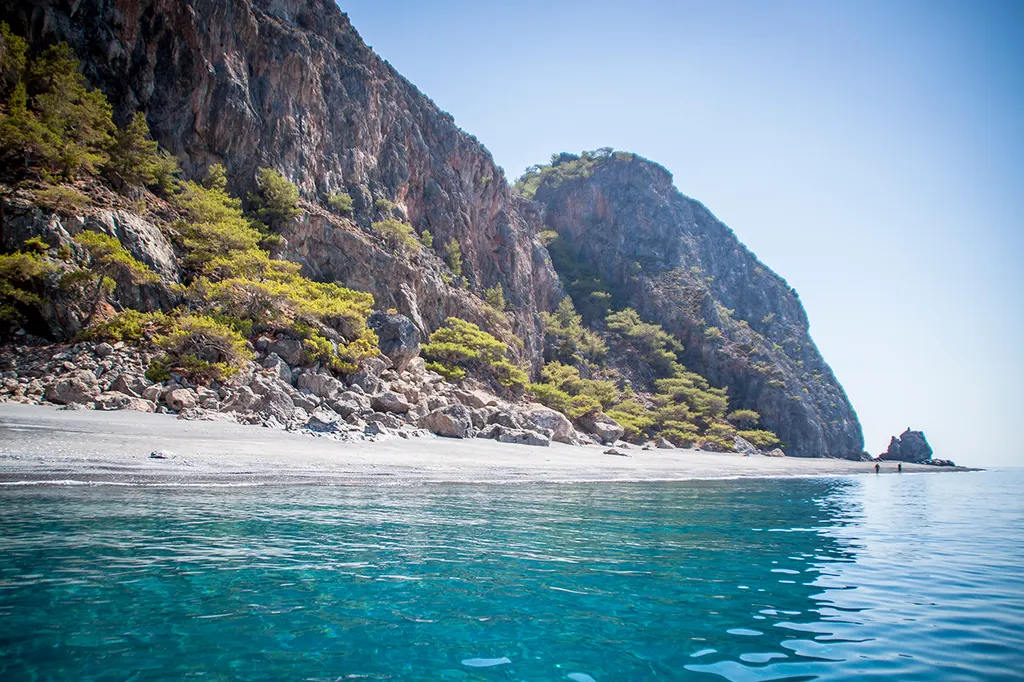
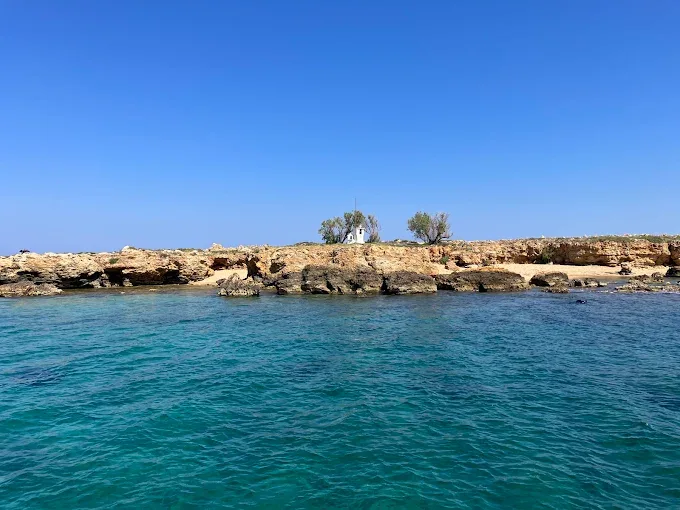
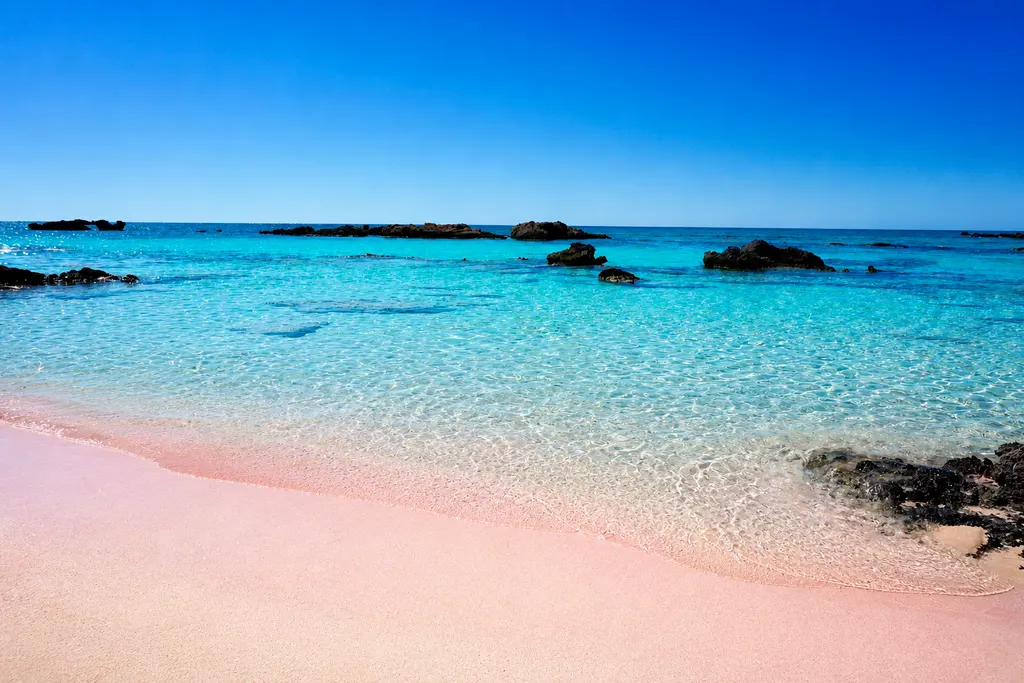
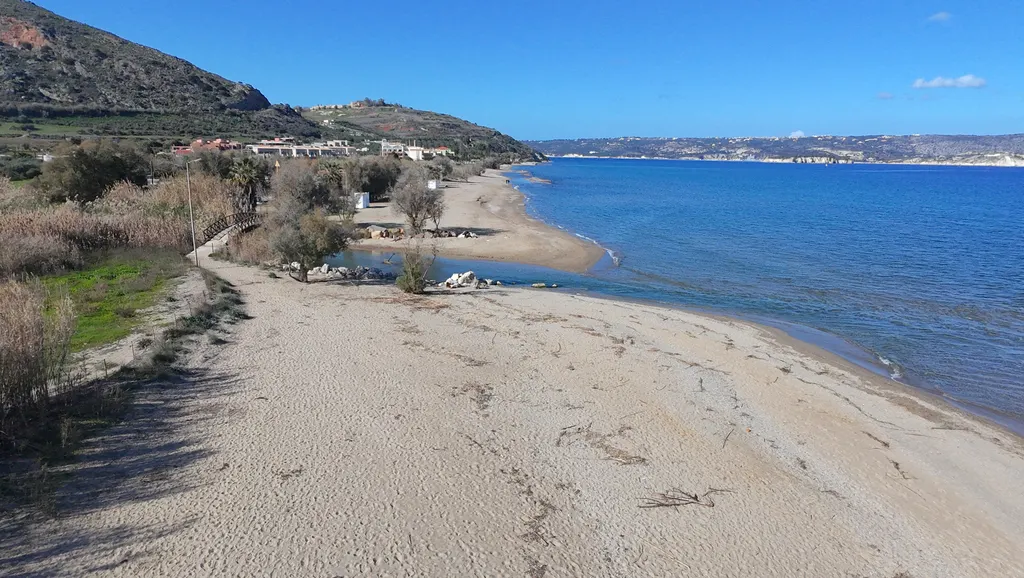
The beach itself is composed of smooth pebbles, warm in the sun, with water so clear and deep that the sea floor is visible well out from the shore. The isolation and the dramatic rocky setting create an atmosphere that feels more like discovery than tourism.
Tripiti rewards those who make the effort — bring plenty of water and sun protection, and allow a full day to absorb one of Crete's most unusual and remote shores.
Photos
Location
How to get there
- Sfakia rent a boat8 hoursUp to 6Sfakia Harbor4.6 · 27 reviewsFrom: €210.00
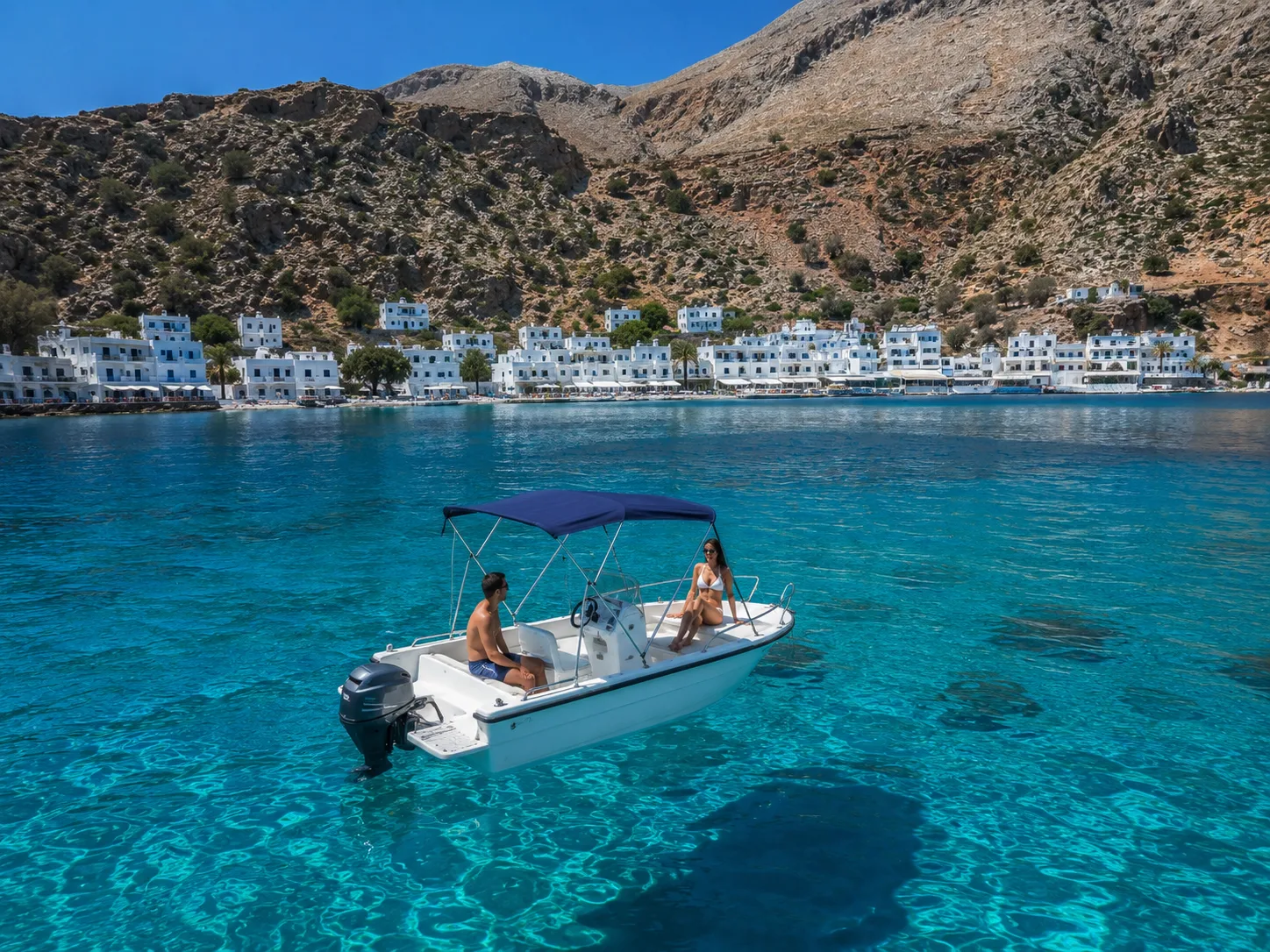
- Sougia Rent a Boat8 hoursUp to 6Sougia4.6 · 26 reviewsFrom: €110.00
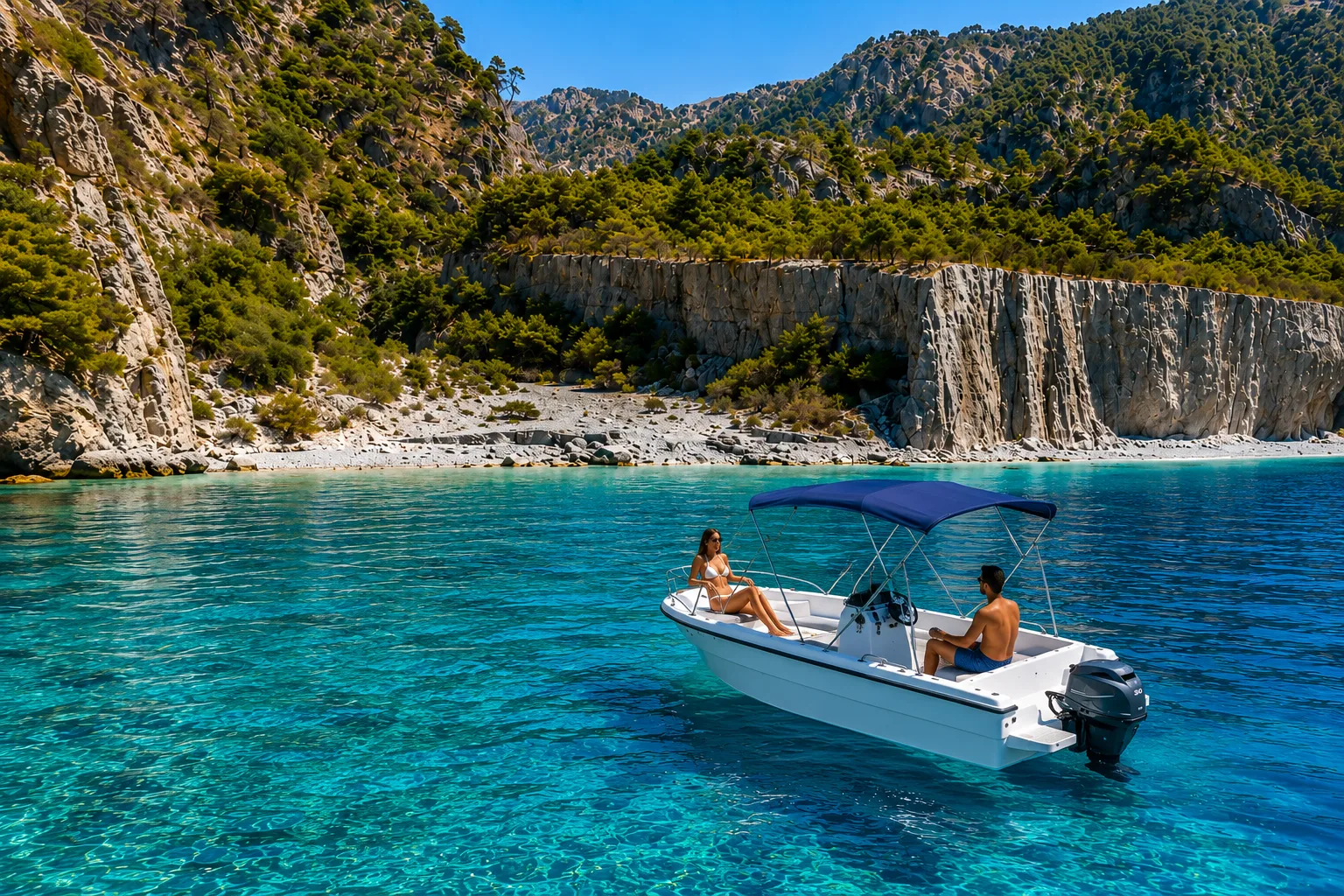
- Sougia to Loutro half day boat trip4 hoursUp to 5Sougia4.6 · 20 reviewsFrom: €430.00
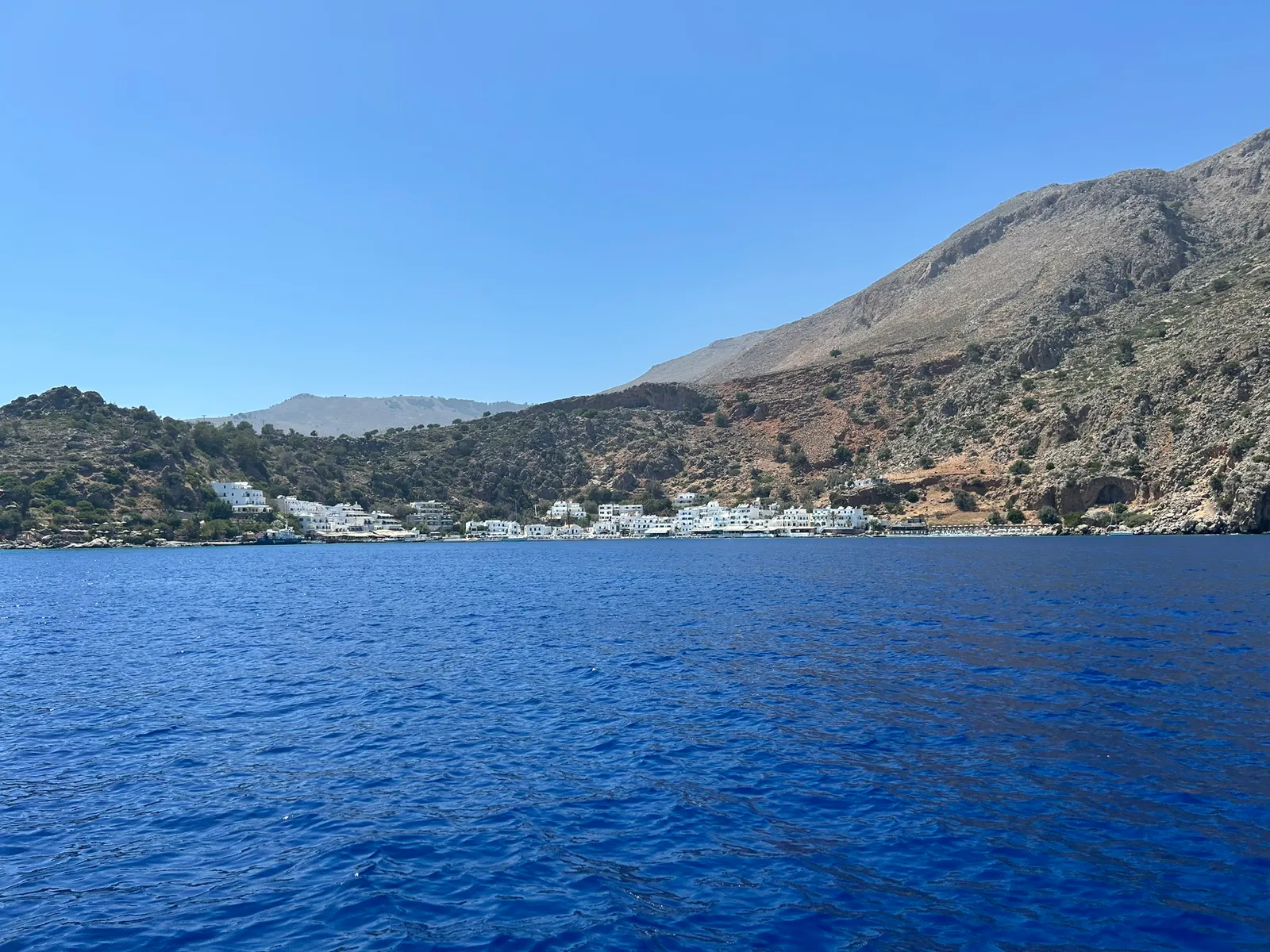
- Sougia to Agios Pavlos getaway3 hoursUp to 5Sougia4.6 · 27 reviewsFrom: €300.00
- Sougia to Loutro day trip6 hoursUp to 5Sougia4.6 · 21 reviewsFrom: €510.00